Nutrition Planning for Busy Schedules
Educational guidance on organizing your meals when time is limited. Learn time-efficient approaches to daily nutrition.
Request a Consultation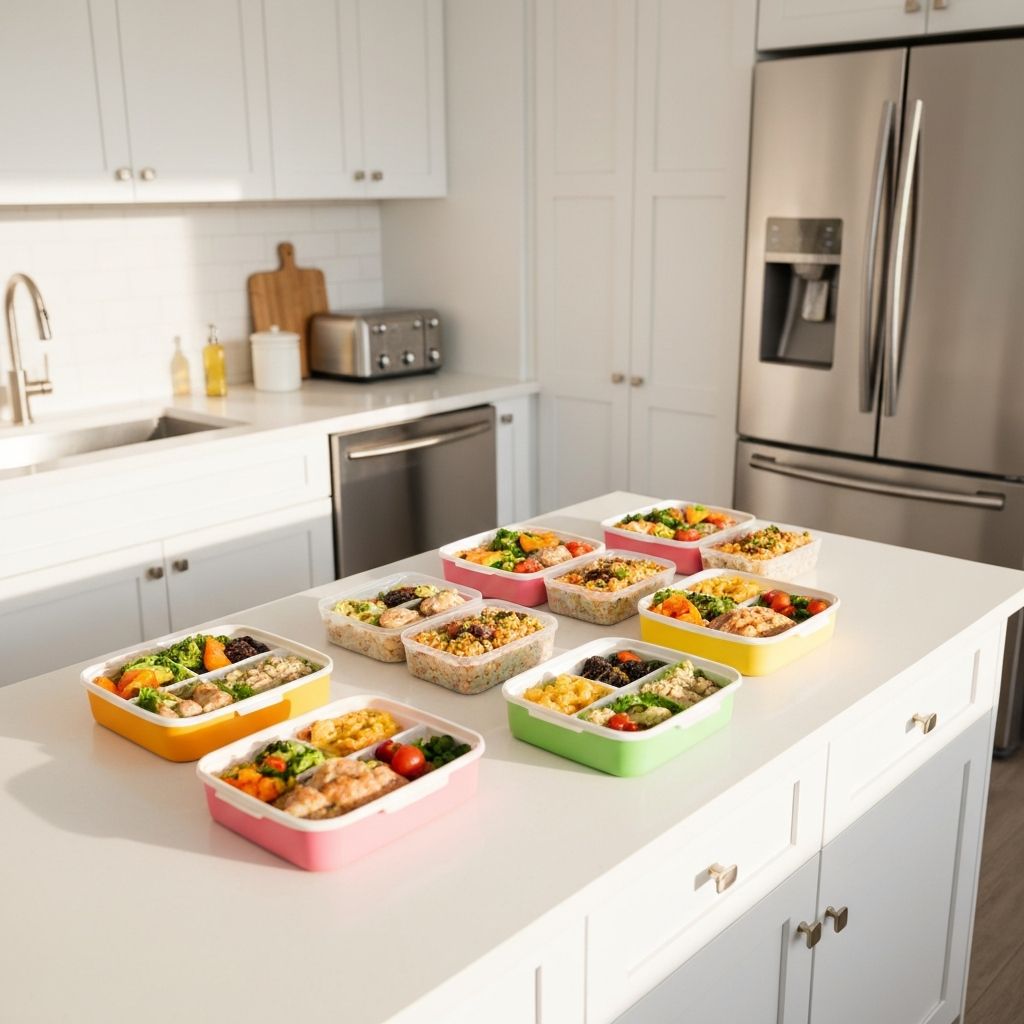
Educational guidance on organizing your meals when time is limited. Learn time-efficient approaches to daily nutrition.
Request a Consultation
Understanding the basics of meal organization in modern life
Learn how to organize meals efficiently without spending hours in the kitchen each day.
Simple planning approaches that help you avoid last-minute food decisions during busy workdays.
Develop consistent eating patterns that fit naturally into your intensive daily routine.

Educational foundations for organizing daily nutrition
Understanding how weekly meal organization can reduce daily decision-making time and create more predictable eating patterns.
Learning basic meal prep techniques that allow you to prepare multiple meals efficiently in one session.
Educational information about including variety in your daily food selections within time constraints.
Creating adaptable meal frameworks that work with your changing schedule and different weekly demands.
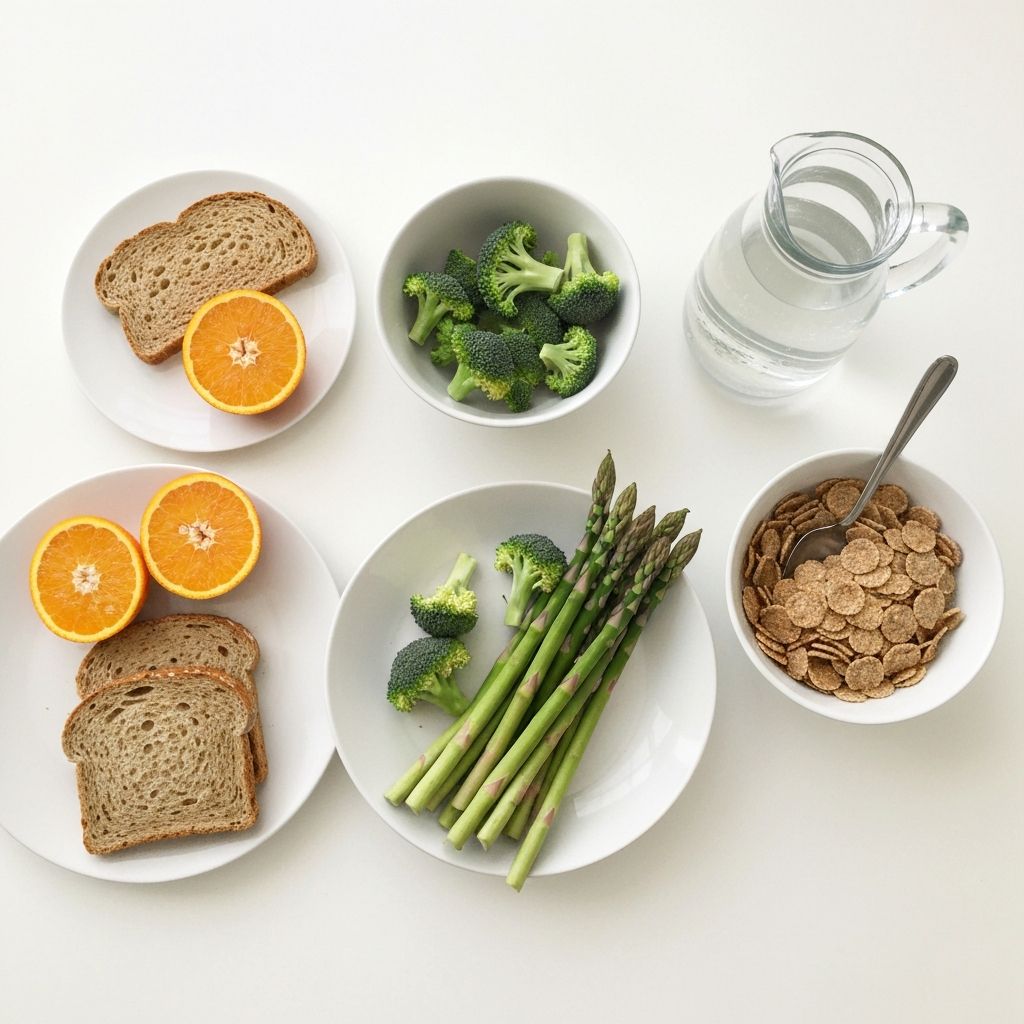
Understanding which types of foods work well for time-limited schedules:
Eggs, canned fish, beans, and other protein sources that require minimal preparation time.
Pre-washed greens, frozen vegetables, and other produce that reduces preparation effort.
Rice, pasta, bread, and other staples that can be prepared in larger batches.
Nuts, fruits, and other foods that travel well for eating between meetings or during commutes.
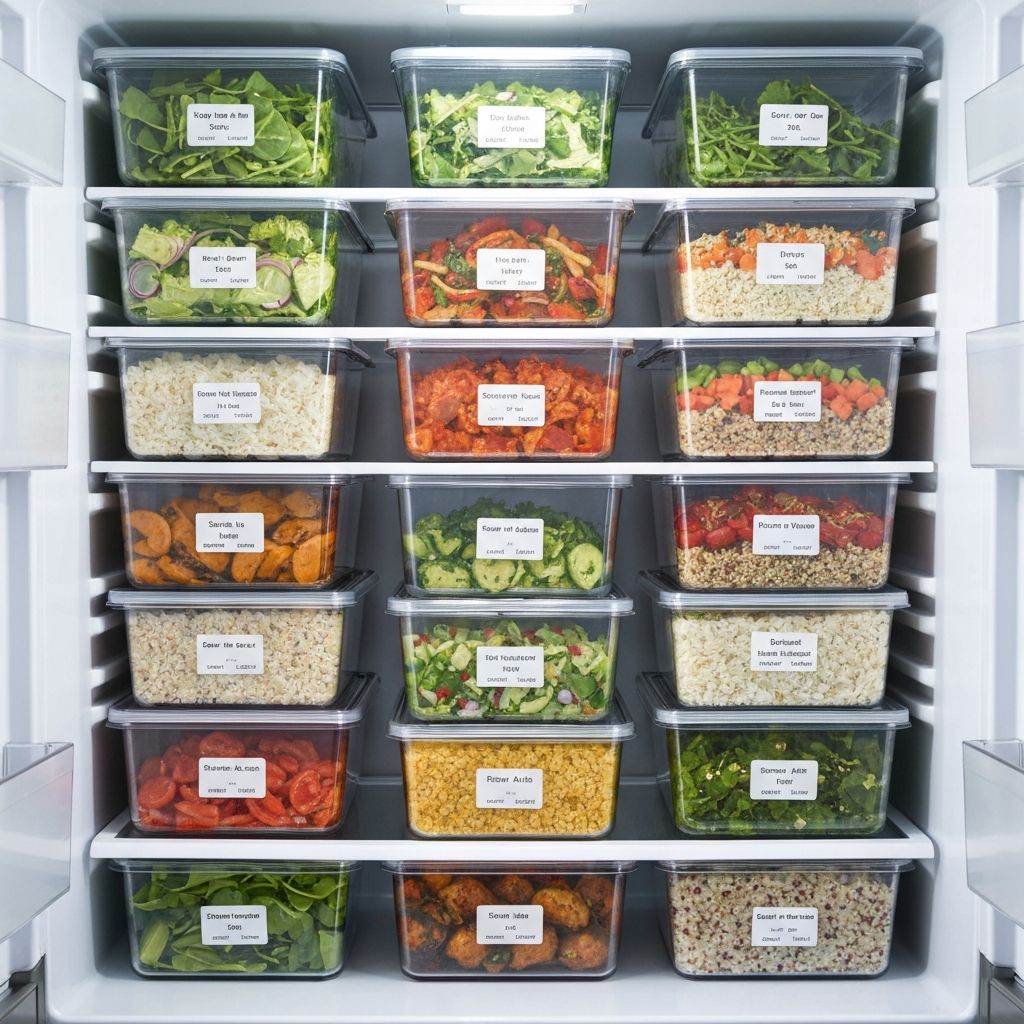
Learn about using lunch boxes and food containers to organize prepared meals for the week ahead.

Understand how creating shopping lists based on weekly plans can save time and reduce food waste.
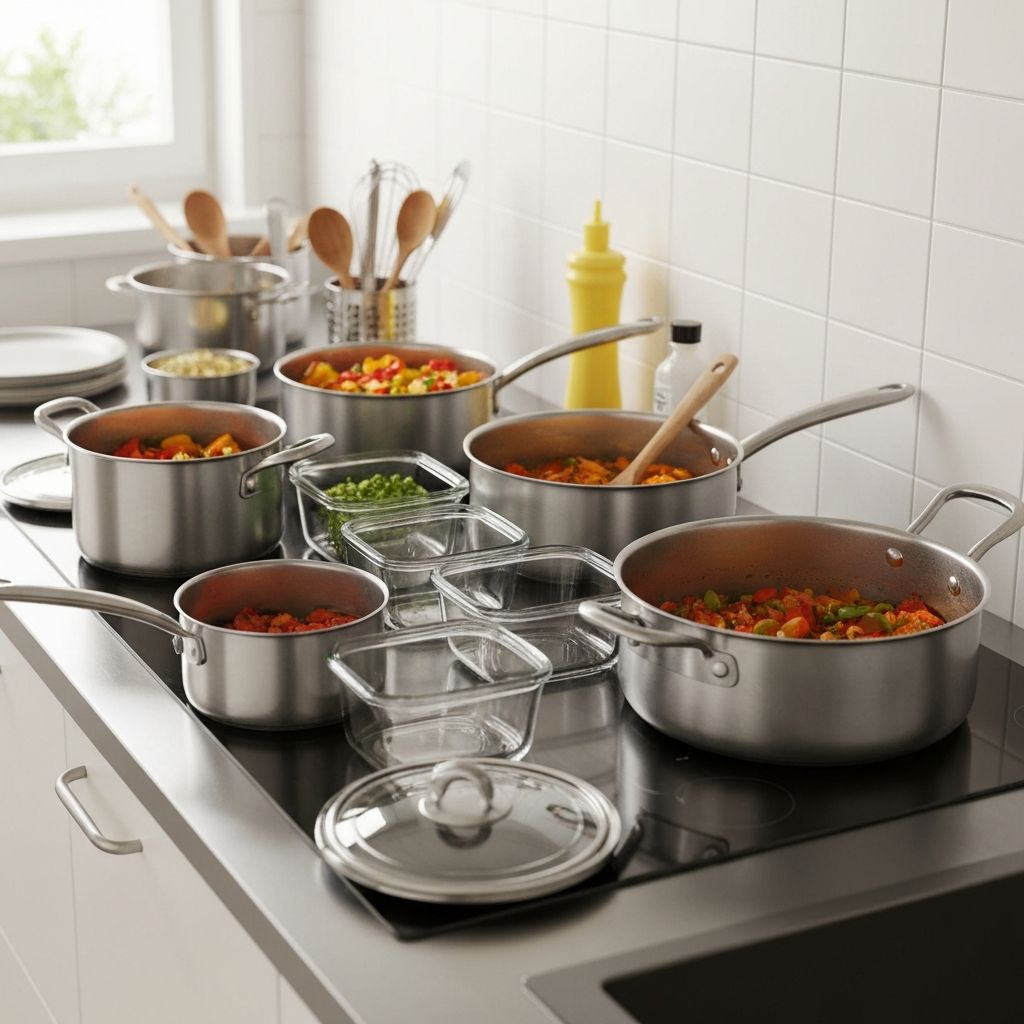
Discover the concept of preparing larger quantities on less busy days for use throughout the week.
People with demanding careers seeking guidance on meal organization.
Those who travel often for work and need portable eating strategies.
Individuals working extended shifts looking for practical meal approaches.
Anyone wanting to learn basic nutrition organization skills.
Experiences from those who learned meal planning approaches
"Learning simple meal prep strategies helped me organize my weekday eating better. The educational guidance was clear and practical."
Ahmad R. Jakarta"The consultation provided useful information about planning meals around a busy work schedule. I now have a more organized approach."
Budi S. Surabaya"As someone who travels frequently, I found the guidance on portable food choices and eating strategies very educational and helpful."
Dimas P. BandungMeal planning involves selecting and organizing your weekly meals in advance, then preparing components or full meals during less busy periods. This educational approach helps reduce daily decision-making time.
Consider foods with appropriate shelf life, items that can serve multiple meals, and preparation time required. Creating a list based on your planned meals helps organize shopping efficiently.
Strategies include preparing meals the night before, using portable containers for easy transport, and having simple backup options available for particularly demanding days.
Travel nutrition organization can include researching food options at your destination, packing portable snacks, and understanding how to make reasonable choices in different settings.
Everyone learns at their own pace. A consultation provides educational information that you can begin applying immediately, with the understanding developing as you practice the concepts.
A lifestyle nutrition consultant provides educational guidance on meal organization, planning strategies, and practical approaches to daily eating within time constraints. This is informational support, not medical advice.
Explore time-efficient meal planning guidance tailored to your busy lifestyle.
Get Guidance on Busy-Day Eating